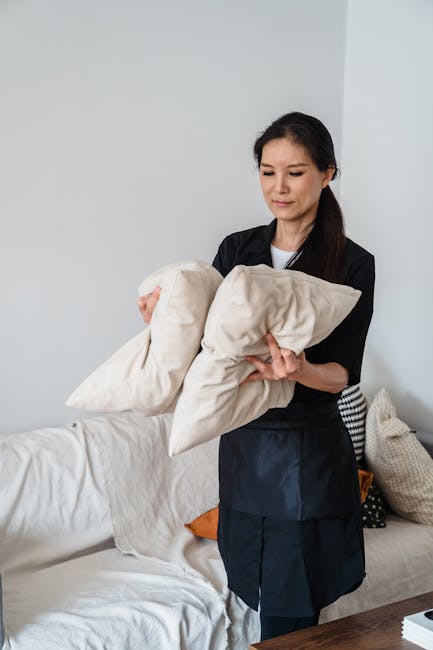
SW18 upholstery cleaning specialist for Wimbledon Park homes
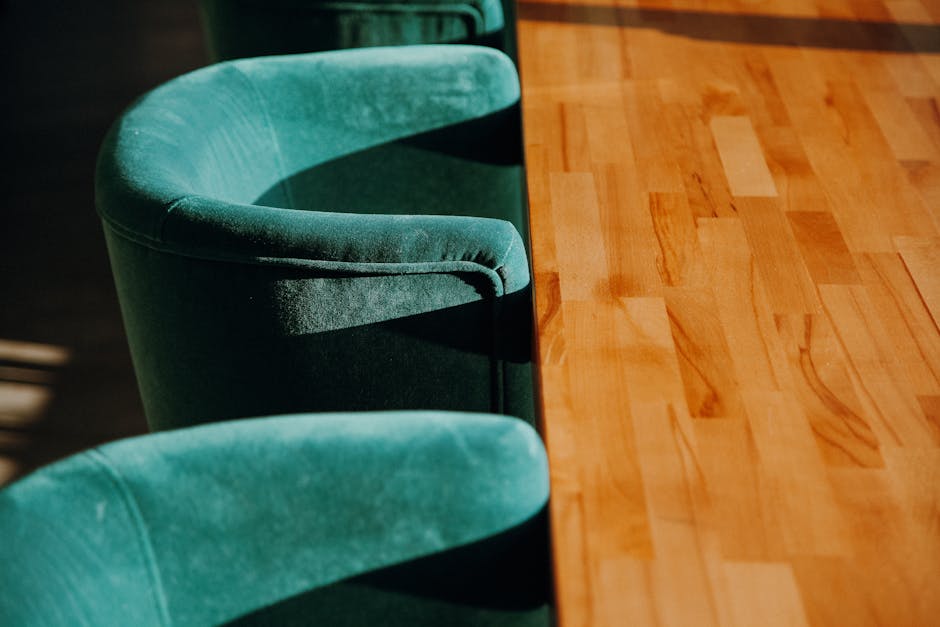
If your sofa is looking a bit tired, the armchair has taken on that dull grey cast, or a favourite dining chair has picked up one too many marks, you are not alone. Homes in Wimbledon Park get lived in properly. That means family routines, muddy shoes, pets, late-night cups of tea, and the odd spill that seems to appear out of nowhere. A SW18 upholstery cleaning specialist for Wimbledon Park homes can help restore fabric furniture so it looks fresher, smells cleaner, and lasts longer.
In this guide, we will walk through what specialist upholstery cleaning actually involves, why it matters in local homes, how the process works, and what to look for before you book. You will also get practical tips, common mistakes to avoid, and a simple checklist you can use before any clean. Nothing fluffy. Just the useful stuff, in plain English.
To be fair, upholstery cleaning is one of those jobs people often put off until the staining becomes impossible to ignore. But with the right approach, it is much more straightforward than many expect.
Why SW18 upholstery cleaning specialist for Wimbledon Park homes Matters
Upholstery does a lot more work than people give it credit for. Sofas, occasional chairs, footstools, headboards, and dining seating absorb skin oils, dust, crumbs, pet hair, drink spills, and everyday airborne grime. Over time, fabric can start to look flat and feel less inviting, even when it is not obviously dirty.
In Wimbledon Park homes, this matters for a few practical reasons. First, many households want furniture to look presentable without replacing it too soon. Furniture is expensive, and a good clean can buy you time. Second, fabrics are sensitive. If you clean the wrong way, you can cause water marks, shrinkage, colour bleeding, or fibre distortion. That is where specialist knowledge matters. Not every stain wants the same treatment. In fact, not every fabric can tolerate the same method at all.
There is also the general home comfort factor. Fresh upholstery simply makes a room feel better. You notice it in the morning light, when the sofa does not look dull or carry that faint old-fabric smell. It sounds small, but it changes the feel of the whole place.
If you are also thinking about related soft furnishings, it can help to look at the broader services offered for upholstery cleaning, and for items like curtains or rugs that often show dust and smoke residue in the same way. Many households bundle jobs together for a more complete refresh.
How SW18 upholstery cleaning specialist for Wimbledon Park homes Works
Specialist upholstery cleaning is not simply a matter of spraying and scrubbing. A proper clean normally starts with identifying the fabric type, the level of soiling, and any existing damage or weak spots. That first look matters more than people think. A velvet chair, a wool blend sofa, and a synthetic recliner may all look similar from across the room, but they behave very differently once moisture and cleaning agents are involved.
Most professional processes follow a few broad stages:
- Inspection - The cleaner checks fibre type, colour fastness, stain history, and wear patterns.
- Pre-treatment - Spots and traffic areas may be treated before the main clean.
- Agitation or dwell time - A cleaning solution is allowed to work, or lightly worked into the fibres.
- Extraction or controlled cleaning - Soil is removed using a suitable low-moisture or hot-water extraction method, depending on the fabric.
- Finishing - The upholstery is groomed, checked, and left to dry properly.
For some pieces, a low-moisture approach is the safer route. For others, a deeper extraction clean may be appropriate. The key is matching the method to the material, not forcing the material to fit the method. That is where experience really shows up.
It is also normal for a professional to talk through drying time and aftercare. You should expect clear guidance on ventilation, how soon you can use the furniture again, and what to do if a stubborn stain is not fully removed on the first pass. Truth be told, some stains are stubborn because life happens, not because the cleaner missed something.
If you want to understand how upholstery care fits alongside other home cleaning work, it may be useful to see related service pages such as sofa cleaning, rug cleaning, and curtain cleaning. Different fabrics, same need for careful handling.
Key Benefits and Practical Advantages
A proper upholstery clean gives you more than a nice before-and-after. The benefits are practical, and in many homes they are immediate.
- Improved appearance: Fabric colours often look brighter once embedded soil is removed.
- Better freshness: Neutralising odours from pets, food, and daily use makes rooms feel cleaner.
- Longer furniture life: Removing grit and residue can reduce wear on fibres.
- More comfortable living space: Soft furnishings feel more pleasant to sit on when they are clean.
- Better impression for guests: Handy if you host often, or if a room doubles as a work-from-home space.
- Potentially better value than replacement: A good clean can postpone the cost of new furniture.
There is another angle people often overlook. Upholstery cleaning can help you spot hidden issues early. Frayed piping, old liquid damage, loose stitching, or cushion deformation can become much easier to see once surface dirt is removed. That gives you a chance to repair rather than replace. Small win, but still a win.
And yes, it can be oddly satisfying to see a once-flat sofa come back to life. A little embarrassing to admit, maybe, but everyone enjoys that fresh result.
Expert summary: The best upholstery cleaning service is not the one that simply promises the deepest clean. It is the one that inspects fabric properly, uses the least aggressive effective method, and leaves you with clear drying and aftercare advice.
Who This Is For and When It Makes Sense
This service is a strong fit for a wide range of Wimbledon Park households. Some people need it because of visible marks. Others book it simply because the furniture no longer feels fresh. Both are valid reasons.
It may make sense if you are:
- moving into a new home and want the furniture refreshed before settling in
- preparing for visitors, a rental handover, or a special occasion
- living with pets and dealing with hair, light odour, or the odd accident
- looking after children and coping with snack spills, sticky fingerprints, and daily wear
- trying to extend the life of a good-quality sofa or chair
- dealing with food marks, drink rings, grease, or general dulling
- noticing that rooms smell a bit stale even after a tidy-up
Sometimes the decision is obvious. A red wine spill on a cream sofa? You are probably not waiting six months. Other times it is more subtle. You may just feel the room looks tired, especially in winter when natural light is weaker and upholstery can appear flatter than it really is. That seasonal shift is real. By late afternoon, a room can look completely different.
If you are comparing cleaning needs across the home, you might also be thinking about carpet cleaning or mattress cleaning. That is often a sensible next step if you want a consistent level of freshness across soft surfaces.
Step-by-Step Guidance
If you are planning a clean, here is a practical way to prepare and know what to expect. Nothing complicated, just the sort of process that helps things go smoothly.
- Identify the furniture type. Make a rough note of what needs cleaning: sofa, armchair, footstool, dining chairs, or headboard.
- Check for labels or care instructions. Fabric care codes can be useful, though not every piece is labelled clearly.
- Move small items away. Cushions, throws, books, ornaments, and side tables should be cleared before the visit.
- Point out stains and problem areas. Old spills, pet marks, and high-traffic areas are worth flagging early.
- Ask about the method. You want the cleaner to explain what they intend to use and why.
- Discuss drying expectations. Good airflow matters. Open windows if possible.
- Plan usage afterwards. Avoid sitting heavily on the furniture until it is fully dry.
If the item is very delicate, ask whether a test patch is sensible. That is not over-cautious. It is sensible. A quick test in an inconspicuous area can save a lot of hassle.
For households that want to keep things simple, booking through a provider with a clear pricing and quotes page can make the next step less awkward. Nobody likes vague pricing, and nobody enjoys surprise add-ons either. Let's face it, clarity is refreshing.
Expert Tips for Better Results
A few small habits can make a big difference to the final result and to how long it lasts.
- Vacuum first. Dry soil and dust should be removed before any wet clean. It helps the solution work more effectively.
- Blot, do not rub. Rubbing can spread stains and rough up fibres.
- Act early on spills. Fresh marks are usually much easier to treat than dried-on ones.
- Use minimal water on delicate fabrics. Over-wetting can lead to marks, long drying times, and distortion.
- Ventilate the room. A dry room helps furniture dry more evenly.
- Keep pets off the item while drying. Lovely as they are, paws and wet fabric are not a good mix.
- Ask about protection if needed. Some households choose a fabric protector after cleaning, though it is not always necessary.
One thing professionals often notice is that stain treatment works better when customers mention the history of the mark. Was it coffee, wine, gravy, baby formula, or something unidentified from 2022 that everyone has just learned to ignore? The cleaner does not need a full biography, but context helps.
Also, a good specialist will tell you when a stain is likely to lighten rather than vanish completely. That honesty matters. A perfect result is wonderful, but careful expectations are better than overpromising.
Common Mistakes to Avoid
Most upholstery problems get worse because someone tried to solve them too quickly. Happens all the time.
- Using the wrong cleaning product: Household sprays can set stains or bleach colour.
- Soaking the fabric: Too much moisture can leave tide marks or damage padding.
- Ignoring the care code: A fabric labelled for solvent cleaning should not be treated as if it were a sturdy carpet.
- Scrubbing aggressively: That can distort fibres and push dirt deeper.
- Cleaning only the stain and not the panel: This can create a noticeable patch of lighter fabric around the mark.
- Using the furniture too soon: Rushing drying can bring back odour and flatten the pile.
There is also a timing issue. People often wait until one stain becomes several. Once there are multiple marks, the whole piece can look older than it is. Not always, of course, but enough to matter. A timely clean usually gives better visual results than a heroic rescue mission months later.
If you are dealing with stubborn spots, a dedicated stain removal service approach may be the right conversation to have rather than assuming one general method will fix everything.
Tools, Resources and Recommendations
You do not need a van full of equipment to make a good decision, but a little preparation helps. A reliable cleaner will usually work with tools and products suited to the fabric rather than relying on one universal system.
Useful things to have in mind before booking:
- the fabric type, if you know it
- photos of stains or problem areas
- details of any previous cleaning attempts
- information on pets, children, allergies, or sensitivities in the home
- an idea of which items you want cleaned together
It also helps to check that the business is transparent about safety and customer care. Pages such as insurance and safety, health and safety policy, and terms and conditions can tell you a lot about how seriously a company takes its responsibilities. Boring to read? Slightly. Useful? Absolutely.
If sustainability matters to you, it is worth asking how waste water and packaging are handled. A thoughtful provider may also explain its approach to recycling and sustainability. That does not mean every job is identical, but it is a good sign when a company thinks beyond the immediate clean.
Law, Compliance, Standards, or Best Practice
For domestic upholstery cleaning in the UK, most of the important points are best-practice rather than highly specific legal thresholds. Still, there are sensible expectations around safe working, fair consumer information, and care with products used indoors.
In practical terms, a reputable cleaner should be able to explain:
- what method they plan to use
- any known limitations or risks for the fabric
- whether staining may be permanent or only partly removable
- how drying and ventilation should be managed
- what to do if a problem arises after the appointment
That level of clarity is part of good service. It is also just good manners, frankly. People want to know what is happening in their own living room.
Insurance matters too. Upholstery cleaning is low-risk when done properly, but accidents can happen. A professional approach should include suitable precautions, reasonable care, and clear complaint handling. If you ever need to understand how a company deals with issues, its complaints procedure should be easy to find and easy to understand.
For customers with mobility needs, communication needs, or access requirements, service pages such as the accessibility statement can also be a reassuring sign that the company is thinking about all users, not just the easiest ones.
Options, Methods, and Comparison Table
Not all upholstery cleaning methods are equal, and the right choice depends on fabric type, soil level, and how quickly you need the item back in use. Here is a simple comparison.
| Method | Best for | Advantages | Things to watch |
|---|---|---|---|
| Low-moisture cleaning | Delicate or water-sensitive fabrics | Faster drying, reduced risk of over-wetting | May not suit heavy soiling |
| Hot water extraction | Durable upholstery with deeper dirt build-up | Good soil removal and fresh finish | Requires careful drying and correct fabric match |
| Foam or encapsulation-style cleaning | Light-to-moderate maintenance cleans | Useful for routine refreshes | Not ideal for all stain types |
| Specialist stain treatment | Particular marks like wine, grease, or pet accidents | Targets the issue directly | Results vary depending on stain age and fibre type |
In many homes, a combined approach works best. A sofa might need a general clean plus targeted treatment around the arm rests and head cushions. A dining chair set, on the other hand, may need more focused spot treatment where hands and food contact happen every day. Small details, big difference.
If you are planning a wider refresh, it can be sensible to pair upholstery work with steam carpet cleaning or other fabric care in the same visit, provided the materials and timings line up.
Case Study or Real-World Example
Imagine a family home in Wimbledon Park with a well-used corner sofa in the main living room. The sofa looked fine from a distance, but up close the seat cushions had darkened from daily use, one arm had a faint food mark, and there was a slightly stale smell after the windows had been shut for a few days. Not disastrous. Just enough to be annoying.
The first step was checking the fabric and spotting that the sofa needed careful handling rather than an aggressive wet clean. The cleaner pre-treated the arm marks, worked on the traffic areas, and used controlled moisture to avoid over-wetting the cushions. The living room windows were opened afterwards, and the family waited until the next day before sitting heavily on the fresh cushions again.
The result was not magic, and it did not look brand new. Real life rarely does. But the sofa looked brighter, the smell was gone, and the room felt less heavy. That is usually what people want, even if they do not say it out loud. Just a cleaner, calmer room.
A similar approach often works well for dining chairs, too, especially when they have been affected by recurring use rather than one dramatic spill. Those little build-ups add up.
Practical Checklist
Use this before your appointment or when comparing providers.
- Confirm the furniture pieces that need cleaning
- Check if there are any fabric care labels or manufacturer notes
- Photograph stubborn stains before the appointment
- Remove breakables and small items from the area
- Ask how long the drying time is likely to be
- Make sure the company explains its method clearly
- Check whether stain treatment is included or extra
- Ask what happens if a mark does not fully respond
- Make sure you know how to ventilate the room afterwards
- Review the company's safety, payment, and terms information before booking
One quick tip: if you are cleaning more than one room, write the items down. It sounds obvious, but when the appointment starts, memory gets fuzzy. The brain likes to forget the footstool.
Conclusion
Choosing a SW18 upholstery cleaning specialist for Wimbledon Park homes is really about getting the right mix of fabric knowledge, careful cleaning, and honest expectations. The best results usually come from matching the method to the material, treating stains thoughtfully, and giving the item enough time to dry properly. That is the heart of it.
For Wimbledon Park households, specialist upholstery cleaning can make day-to-day living feel fresher, help furniture last longer, and save you from replacing good pieces before their time. Whether you are dealing with a single mark, a tired sofa, or a whole set of chairs that needs attention, the sensible next step is usually the same: inspect carefully, ask good questions, and book with confidence.
If you want to compare services or plan a broader clean, it can help to review the full range of sofa cleaning, upholstery cleaning, and other related care options before you decide.
Get a free quote today and see how much you can save.
Sometimes the smallest refresh makes the room feel like itself again. And that, honestly, is a lovely thing.
Frequently Asked Questions
How often should upholstery be professionally cleaned in a Wimbledon Park home?
It depends on use. A busy family sofa with pets or children may need attention more often than a chair used only occasionally. The best clue is usually appearance, odour, and how quickly marks seem to build up.
Can all upholstery fabrics be steam cleaned?
No. Some fabrics can handle moisture well, while others are more delicate and need a low-moisture or specialist approach. A proper inspection is essential before any cleaning begins.
Will upholstery cleaning remove old stains completely?
Not always. Older stains can become set into fibres or padding, so they may only lighten rather than disappear. A good specialist should explain that clearly before starting.
How long does upholstery take to dry?
Drying time varies by fabric, room temperature, airflow, and the cleaning method used. Lightweight items may dry relatively quickly, while thicker cushions or heavily cleaned pieces can take longer.
Is upholstery cleaning safe for pets and children?
It can be, provided suitable products and methods are used and the furniture is left to dry properly. If anyone in the home is sensitive to smells or products, it is sensible to mention that before the clean.
What should I do before the cleaner arrives?
Clear the surrounding area, remove cushions and small items, and point out stains or fabric concerns. A little preparation makes the appointment smoother and usually improves the result.
Should I try to clean a stain myself first?
Only if you are sure the fabric can handle it and you are using a safe method. Rubbing too hard or using the wrong product can make things worse, so caution is usually the better option.
What is the difference between sofa cleaning and general upholstery cleaning?
Sofa cleaning focuses on sofas and settees, while upholstery cleaning covers a wider range of fabric furniture such as chairs, headboards, footstools, and dining seating. The principles are similar, but the exact method changes with the item.
How do I know if a cleaning company is trustworthy?
Look for clear information on methods, insurance, pricing, terms, and complaints handling. A company that explains what it can and cannot do is usually more reliable than one that promises perfection every time.
Can upholstery cleaning help with odours?
Yes, especially when the smell is caused by trapped dirt, pets, food residue, or general use. Strong or deep-set odours may need more targeted treatment, but cleaning is often a good first step.
Is it worth cleaning upholstery instead of replacing it?
In many cases, yes. If the frame and fabric are still in good condition, a professional clean can make the furniture look and feel much better for a fraction of the cost of replacement. That is often the sensible choice.
What if I need upholstery cleaning alongside carpets or curtains?
That can be a practical approach. Many homes refresh soft furnishings together so the whole room feels more consistent, especially if dust, pet hair, or general wear affects several surfaces at once.